Water Heater Installation in North East, MD: Homeowners’ Guide to Choosing the Right Size
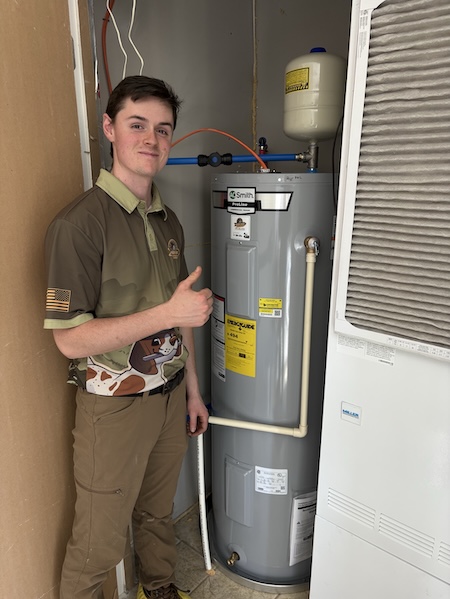
Planning a water heater installation in North East, MD starts with one big choice: size. Get it right and your mornings run smooth, your energy bill stays in check, and your system lasts longer. Get it wrong and you face cold showers, long waits, or wasted power. This guide explains how to match your family’s hot water demand to the correct tank or tankless size, with clear steps you can use before scheduling professional installation with Bird Dog Plumbing LLC.
North East sits along the top of the Bay, and winters here can feel sharp. That cooler season is when an undersized unit shows itself fastest. We will cover water heater sizing basics, simple examples, and what to watch for in busy households from downtown North East to nearby Elkton and Perryville.
Why Size Matters for Water Heater Installation in North East, MD
Right-sized units deliver steady hot water without strain. Oversized systems cycle more than needed and can waste energy. Undersized systems struggle during peak use like back-to-back showers or running laundry and the dishwasher at the same time. The goal is balance. **A properly sized water heater matches your highest likely demand without overspending on capacity you will not use.**
Choosing the correct size also supports longer equipment life. When a heater runs near its limit every day, key parts work harder and wear sooner. Pair good sizing with energy-efficient water heaters and you will feel the difference on comfort and utility bills.
How To Estimate Your Home’s Hot Water Demand
You do not need exact math. A reasonable estimate of peak use is enough to guide a smart choice. Think about what often happens at the same time in your home.
- Number of people who might shower within one hour
- Appliances that run hot water during that hour, like a dishwasher or washing machine
- Fixtures that may run together, such as a shower plus a sink
List your busiest hour on a typical cold morning or busy evening. That snapshot is your peak hot water demand. We will use it to compare tank and tankless systems.
Tank Water Heater Sizing Basics
A tank water heater stores hot water and then reheats as you use it. The key number is the first-hour rating, or FHR. It tells you how many gallons of hot water the heater can supply in an hour starting with a full tank. **Match the FHR to your family’s busiest hour for dependable comfort.**
Example: Two showers may use about 2 to 2.5 gallons per minute combined, and a dishwasher can add a few gallons during that same window. If your household often has two showers running and a load of dishes, size your FHR to meet that hour comfortably. If your teens shower back-to-back before school, build in a small buffer. The right FHR helps you avoid the wait for the tank to recover.
Other points to consider with tank models:
- Household size and habits matter more than square footage
- Space for the tank, venting, and safety clearances must fit your utility area
- Recovery rate varies by fuel type and efficiency level
If you are comparing several models, look first at FHR, then energy efficiency. Modern insulated tanks reduce standby losses and can pair well with smart recirculation controls in larger homes. For a deeper look at options across brands and types, browse the broader water heater services available from Bird Dog Plumbing LLC.
Tankless Water Heater Sizing Basics
A tankless unit heats water only when you open a tap. Sizing focuses on flow rate in gallons per minute and the temperature rise required. To size a tankless unit, add up the flow rates of the fixtures you might use at the same time. Then be sure the unit can deliver that flow at your target hot water temperature.
Let’s say your home often runs one shower and the kitchen sink together. A typical shower might be about 2 gallons per minute and a kitchen faucet around 1. If you want both running comfortably, you would look for a tankless unit that can supply about 3 gallons per minute at your needed temperature rise. In colder weather, incoming water is cooler, so you may need a higher capacity model to keep the same comfort level. **Undersizing a tankless heater leads to low flow or temperature dips when multiple fixtures run.**
Tankless units save space and can be very efficient when sized and installed correctly. They also avoid standby heat loss because there is no stored tank of hot water. That said, many homes still prefer a tank model for simple operation and fast recovery. Your choice comes down to lifestyle, space, and local utility setup.
Energy Efficiency, Fuel Type, and Space Considerations
Efficiency labels help you compare apples to apples. Energy-efficient water heaters include high-efficiency gas models, well-insulated tanks, and heat pump water heaters that move heat instead of making it. Lower energy use can mean quieter operation and a smaller footprint on your monthly bills.
Fuel type matters. Gas can offer fast recovery and strong performance for larger families. Electric systems are common and easier to place where gas is not available. Heat pump water heaters are electric and can be very efficient in the right space. They do best in areas with enough room for airflow and where moderate temperatures are common, like a basement or utility room.
Space is a real-world limiter in many North East homes, especially in older houses near Main Street or historic areas. Measure doorways, ceiling height, and the utility area. If space is tight, a properly sized tankless unit may solve clearance issues. If you have room and want steady capacity, a right-sized tank can be ideal.
Matching Size To Your Family’s Routine
Picture your busiest hour on a weekday. Do two people shower while a load of laundry runs? On weekends, do you host guests or run back-to-back baths after a Bay outing? Write down the common pairings and how often they overlap. Kids in sports, home offices with daytime loads of dishes, and multigenerational living can all raise hot water demand.
For many three- to four-person homes in the North East area, a properly sized modern tank meets daily needs with room to spare. Larger or high-usage homes, including those with luxury showers or soaking tubs, may lean toward a higher FHR tank or a well-sized tankless system. The right answer is the one that matches your real routine with a small comfort buffer.
Signs Your Current Water Heater Is Undersized or Oversized
- Water turns lukewarm or cold during back-to-back showers
- Dishwasher finishes with poor rinse temperature when other fixtures run
- Frequent burner or element cycling and noticeable noise during peaks
- Long wait times to recover hot water after heavy use
- Utility bills higher than expected even with normal use
Oversized units can waste energy and short-cycle, which adds wear. Undersized units can run hot and hard, cutting into service life. **If you see these patterns, it is a strong hint your home’s hot water demand and current system are out of sync.**
Water Quality, Maintenance Habits, and Longevity
Water quality in the upper Bay region can include mineral content that contributes to scale buildup inside a heater. Scale reduces heating efficiency and flow rates over time. Regular professional maintenance helps protect performance, especially for tankless units with narrower passages. While good care supports any size, starting with the right capacity means your system is not fighting an uphill battle every day.
Homeowners in neighborhoods from North East Isles to Charlestown often juggle busy mornings. If your schedule stacks showers and cleanup, that is normal. It simply means sizing should focus on your true peak, not just the number of bedrooms.
Putting It Together: A Simple Sizing Game Plan
A quick recap turns planning into action:
- Write down your busiest hour of hot water use
- Decide whether you prefer the steady supply of a tank or the on-demand style of tankless
- Match tank models by first-hour rating or tankless models by flow rate at your needed temperature rise
- Prioritize efficiency features that lower energy use
- Confirm the unit fits your space and venting needs
If you want a fast, professional path, schedule a visit. A licensed plumber from Bird Dog Plumbing LLC will confirm your peak demand, review available models, and explain the best fit without guesswork. You can start by reviewing the detailed steps involved in water heater installation and replacement so you know what to expect on the day of service.
When To Choose Tank vs. Tankless in North East, MD
Pick tank if you want simple operation, familiar maintenance, and a strong first-hour rating that matches your household’s rhythm. Pick tankless if you value endless hot water within the system’s flow limit, need to save space, or want to trim standby losses. Either way, size is the key that unlocks comfort and efficiency.
Curious how this fits your home layout or remodel? You can explore all related options in our main services area, then compare features within the dedicated water heater services section. If you prefer to start at the top, learn more about water heater installation North East, MD with Bird Dog Plumbing LLC and see how our team supports you from first call to final walkthrough.
Ready For Expert Sizing And Installation?
Choosing the right size is the smartest step you can take for comfort and energy savings. Our licensed team serves homes across North East, Elkton, Rising Sun, and nearby communities. We handle safe removal of the old unit, professional setup, and final checks so your system runs the way it should. When you want a clean, on-time job and clear communication, call Bird Dog Plumbing LLC at 443-553-0785 to schedule.
If you are comparing options now, take a moment to review the process on our page for water heater installation and replacement. We will size your system to your true peak demand, help you choose energy-efficient water heaters that fit your space, and set everything up for lasting performance.