Basic Septic System Care Explained
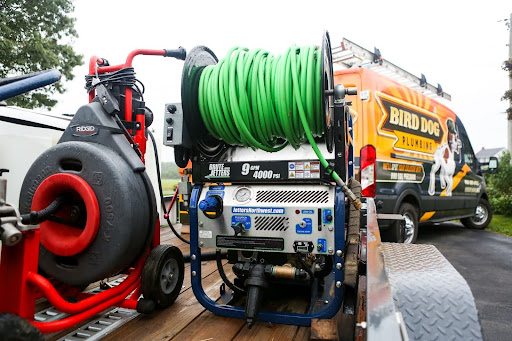
For many homes, especially in rural areas or properties outside city limits, a septic system is not just an option, it's a necessity. This underground wastewater treatment structure handles everything from your sinks and showers to your toilets, making it one of the most important parts of your plumbing system. Proper care and maintenance can extend your septic system's lifespan by decades and prevent thousands of dollars in unexpected repairs or replacements.
Inspect and Pump Regularly
According to the U.S. Environmental Protection Agency (EPA), septic tanks should be inspected every three years and pumped every three to five years, depending on household size, tank size, and water usage. Systems with pumps, electrical float switches, or mechanical components may need annual checkups.
Neglecting pumping allows sludge and scum to build up, clogging pipes or backing waste into your home. Regular service helps prevent overflow, foul odors, and groundwater contamination.
Use Water Wisely
Your septic system can only process so much water at once. Excessive water use floods the tank and reduces the time solids have to settle, pushing untreated wastewater into the drainfield. To improve efficiency:
Install low-flow toilets, faucets, and showerheads.
Repair leaks immediately. Just one dripping faucet can waste over 3,000 gallons per year.
Space out laundry and dishwasher loads throughout the week instead of doing them all in one day.
Water conservation doesn't just lower your utility bills; it keeps your septic system balanced and functioning properly.
Be Careful What Goes Down the Drain
Everything you flush or pour down your drains ends up in the septic tank. The bacteria in the tank break down organic waste, but harsh chemicals and non-biodegradable materials can kill those bacteria or clog your pipes. Avoid disposing of:
Wet wipes (even "flushable" ones)
Grease, fats, or oils
Paper towels, diapers, or feminine hygiene products
Household chemicals, bleach, and antibacterial cleaners
Stick to septic-safe cleaning products and always use trash bins for anything that doesn't decompose easily.
Protect and Maintain the Drainfield
The drainfield is where treated wastewater filters through the soil. Damage or oversaturation here can lead to sewage backups or system failure. To protect it:
Never park or drive vehicles over the drainfield.
Keep trees and large shrubs at least 25 feet away to prevent root intrusion.
Redirect roof drains, sump pumps, and surface water away from the area.
If you notice standing water or unpleasant odors near your drainfield, it may be a sign of a clog or system overload.
Landscape with Care
Proper landscaping helps your septic system function naturally. Use shallow-rooted grasses or ground covers to prevent erosion while avoiding root-heavy plants. If you're planning to install patios, driveways, or irrigation systems, always consult with a professional to map out your septic components first.
Know the Location of Your System
Many homeowners don't know exactly where their septic tank or drainfield is located until there's a problem. Keep a map of your system's layout handy. It'll make maintenance and emergency repairs faster, cheaper, and safer.
Partner with a Trusted Septic Professional
Even the most careful homeowner needs professional support. Regular service from a licensed plumber ensures your system is performing at its best and compliant with local regulations.
At Bird Dog Plumbing LLC, we help homeowners throughout Rising Sun, MD and surrounding areas keep their septic systems clean, efficient, and problem-free. Whether you need an inspection, a scheduled pumping, or repairs, our experts are ready to help.
Call us today at 443-553-0785 or fill out our online form to schedule your septic service. Keep your plumbing reliable and your property safe with Bird Dog Plumbing, the name local homeowners trust.